
Shower facilities reference photographs
Reference photographs show examples of the facility layout, not a documented deployment at your project location. Confirm the proposed configuration with your rental team.
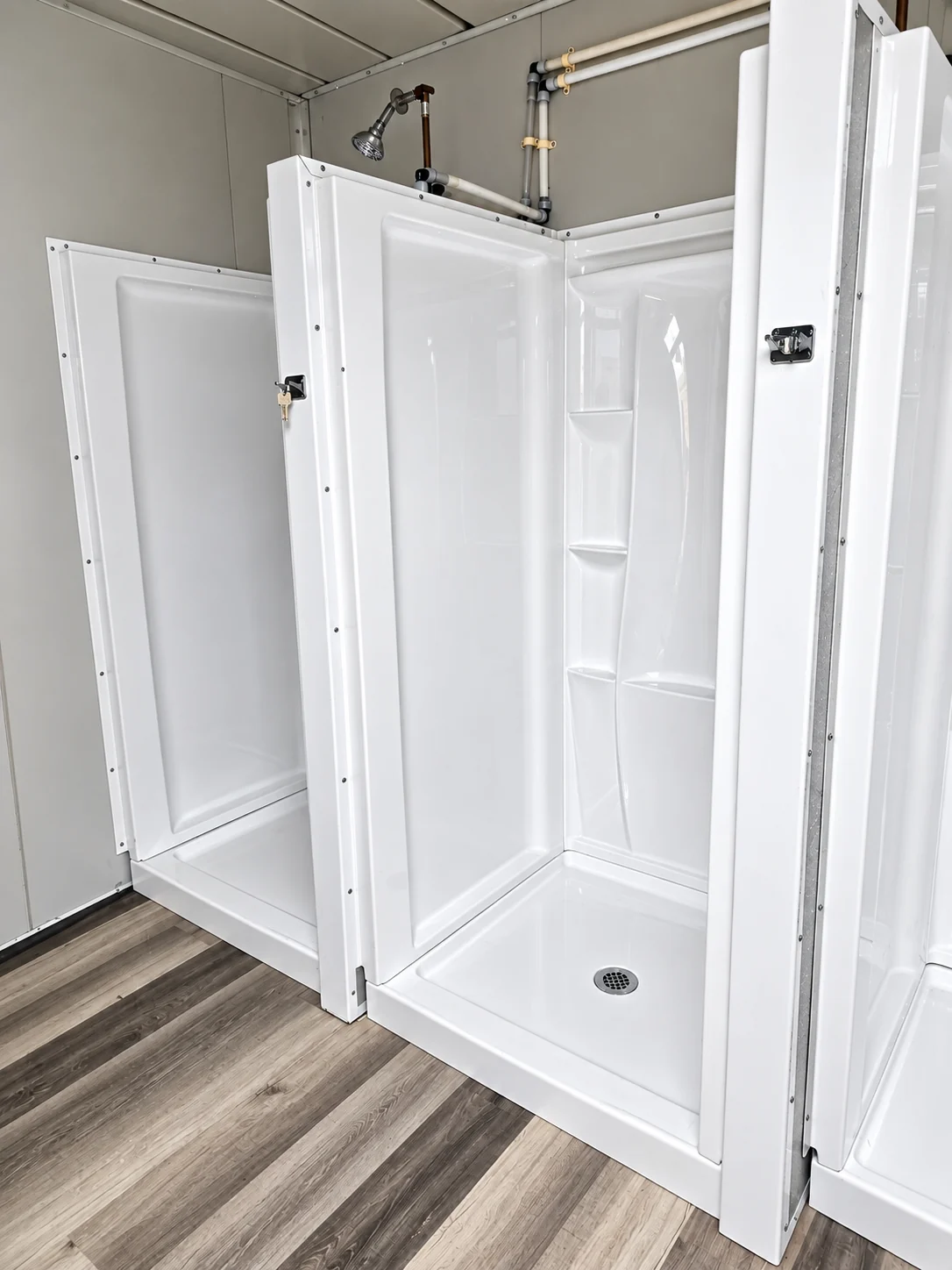
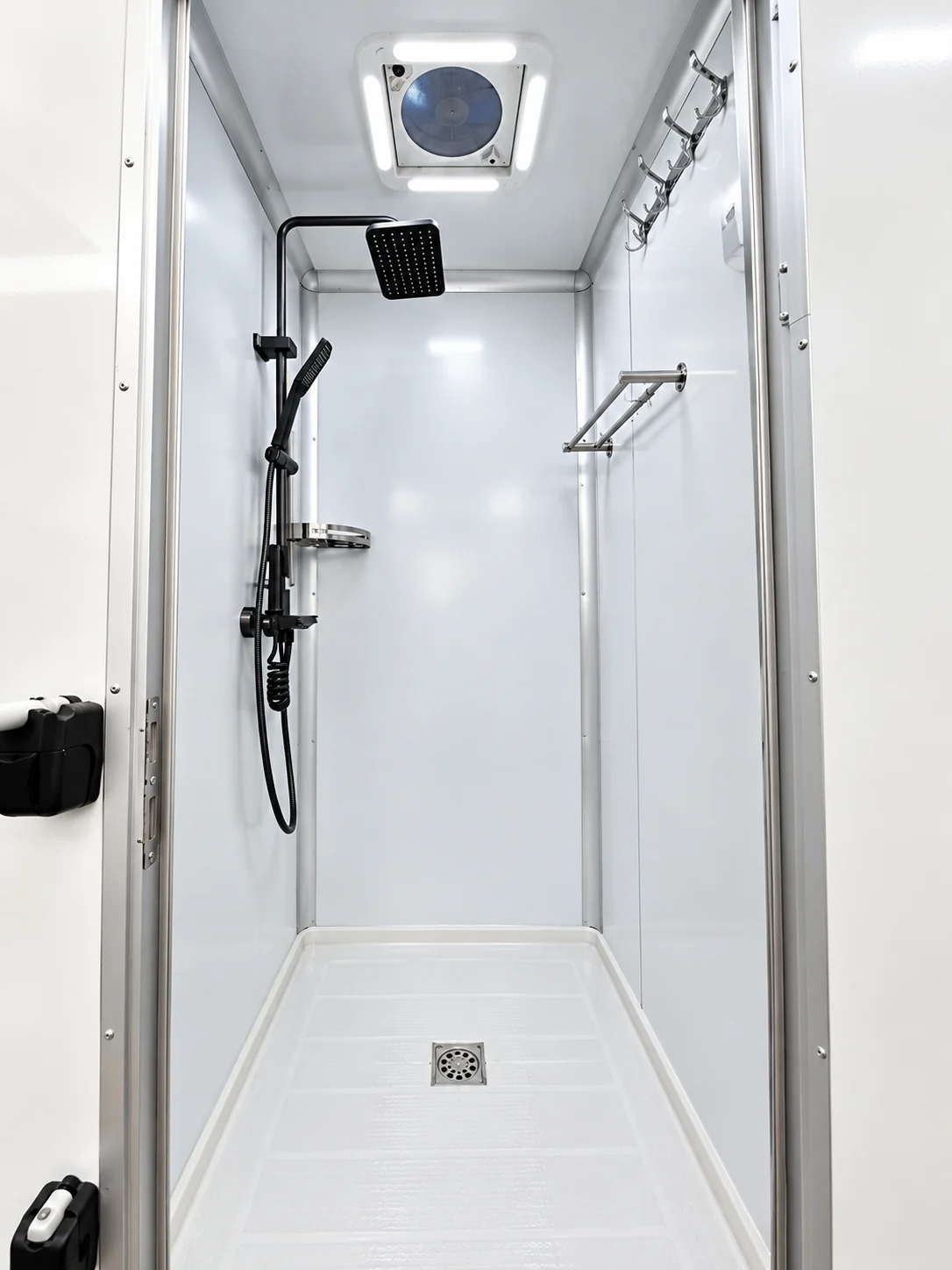
Users, hot water, and drainage
For workforce hygiene support in Minnesota, begin with deep-cold utility protection. Document expected users, hot-water demand, drainage, changing flow, service access, and return logistics before selecting the equipment.
Use the site review to answer one family-specific question: Which user count, hot-water demand, changing flow, drainage point, and service route must the shower facility support? Record the answer with setup, normal-use, service, and collection dates.
- Peak users and shower schedule
- Private compartments and changing needs
- Water source and heating arrangement
The shower facilities operating brief
Choose a shower arrangement by its actual compartments, access and changing space. The number of people on site is only the starting point; simultaneous use, privacy and operating hours influence the appropriate configuration.
- Peak users and shower schedule
- Private compartments and changing needs
- Water source and heating arrangement
- Wastewater storage or connection
- Cleaning intervals and replenishment access
Connection and responsibility check
Ask for water pressure, heating, electrical and drainage requirements for the exact unit. Identify replenishment responsibilities and the access needed by servicing vehicles.
Before the proposed setup is confirmed
For this Minnesota enquiry, record the answer to the site question: Who monitors the connections and coordinates maintenance during regular operation? Identify the person who can verify the site details and the point in the schedule when they must be settled. The final proposal should identify the selected equipment and supporting services.
Minnesota shower-facility receiving planning
MnDOT states that oversize or overweight permits may include route instructions addressing bridge tolerances, height clearances, weight limits, construction zones and other safety concerns. MnDOT also states that its permit is not valid on county, municipal, township or other local roads. Ask the carrier to check the loaded configuration, state route and any local-road permissions before confirming delivery timing.
Keep the carrier unloading space separate from the eventual user queue and cleaning route. Review the proposed shower equipment against the available water, hot-water, drainage and electrical arrangements as applicable. Identify the site contact who will confirm readiness before users enter.
- Loaded configuration and MnDOT route instructions reviewed
- Local-road authority requirements checked for the destination approach
- User queuing space separated from unloading
- Water, drainage and applicable utility readiness
Questions for this rental
What should my Minnesota shower brief record about connection monitoring and maintenance responsibilities?
Assign responsibility for connection checks, routine monitoring, maintenance requests and communication with the equipment provider. Include a measured layout or photographs where useful. For the facility review, also provide peak users and shower schedule; private compartments and changing needs.
What should the enquiry include?
Provide the exact project address and required operating dates. Describe peak user numbers and the shower schedule. Explain the cleaning intervals, replenishment access and who will manage those tasks. These details help define the equipment and service responsibilities for the proposal.
Does a general shower rental establish suitability for specialist treatment or decontamination?
General shower equipment does not establish suitability for hazardous-material decontamination, medical treatment or a universal water-temperature requirement.